Climate change impacts are already measurable on every continent, from shrinking polar ice and rising seas to heat, fire, flood and drought that harm people and ecosystems.
This page summarises what major science bodies have documented so far, and it sits under the climate change explained hub, which covers the causes and evidence.
A planet that has already warmed
NASA reports that the IPCC’s Sixth Assessment found that human emissions of heat-trapping gases have already warmed the climate by nearly 2 degrees Fahrenheit (1.1 degrees Celsius) since 1850-1900. That average hides large regional differences, and it is the starting point for nearly every impact described below.
The warming comes from greenhouse gases that trap heat in different amounts and persist for different lengths of time, a comparison scientists express through global warming potential so that very different gases can be added up on one scale.
NASA describes effects that scientists had long predicted as now occurring, including sea ice loss, accelerated sea level rise and longer, more intense heat waves. The agency adds that these shifts are visible in observations rather than only in model projections. It also notes that some changes, such as droughts, wildfires and extreme rainfall, are happening faster than scientists previously assessed.
Melting ice and rising seas
Ice and ocean records are some of the longest and best-checked in climate science, because satellites, tide gauges and field measurements can be compared against one another over decades.
Polar ice is among the clearest signals. Satellite data from the GRACE missions show that Antarctica is losing ice mass at an average rate of about 135 billion tons per year, and Greenland is losing about 266 billion tons per year. The meltwater drains into the ocean and adds to sea level rise.
In the Arctic Ocean, summer sea ice is retreating steadily. NASA reports that September Arctic sea ice is shrinking at a rate of 12.2% per decade. The September minimum is the smallest area the ice reaches each year, which makes it a convenient yearly benchmark.
Oceans are rising for two reasons, according to NASA: global sea level has risen about 8 inches (0.2 meters) since reliable record-keeping began in 1880, because of added water from melting land ice and the expansion of seawater as it warms. Low-lying coasts and small islands on every continent feel the effect first, through flooding during storms, erosion of shorelines and saltwater reaching farmland and freshwater supplies.
Europe: heat, floods and drought
Europe has a dense network of weather stations and national agencies, so its impacts are among the most carefully documented of any continent.
The European Environment Agency states that climate change is affecting people’s lives across Europe through more frequent and severe heatwaves, floods and droughts. Over the period it tracks, extreme weather events caused around 240,000 human fatalities across Europe between 1980 and 2023, along with large economic losses.
The same agency reports that diseases are moving north, with mosquitos and ticks that carry infectious diseases gaining a foothold in many parts of Europe. The elderly, children and people in poor health are the most exposed to heatwaves.
Europe is also where governments have written much of their response into law, a subject covered in the explainer on the eu 2030 climate targets.
North America: fire, drought and storms
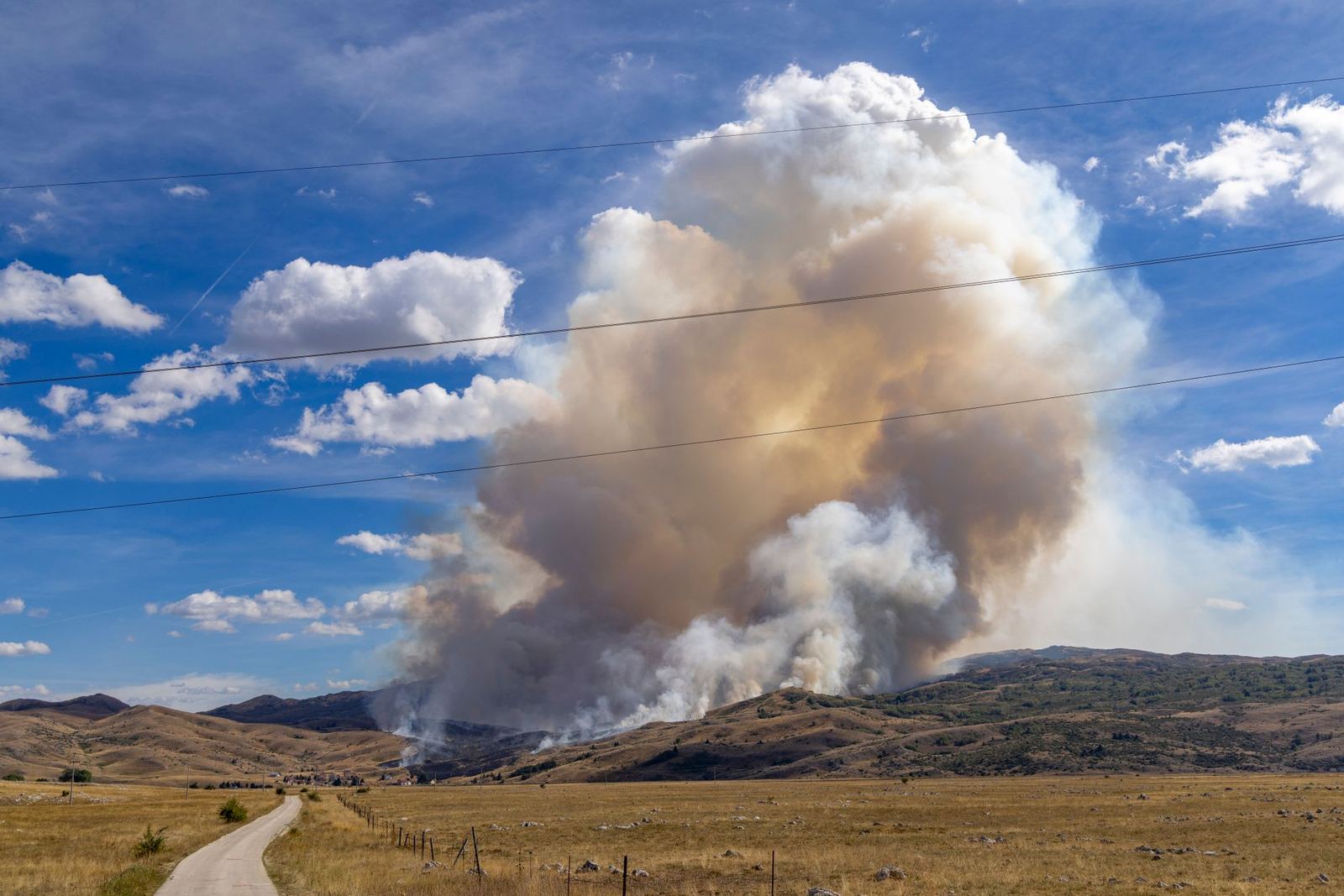
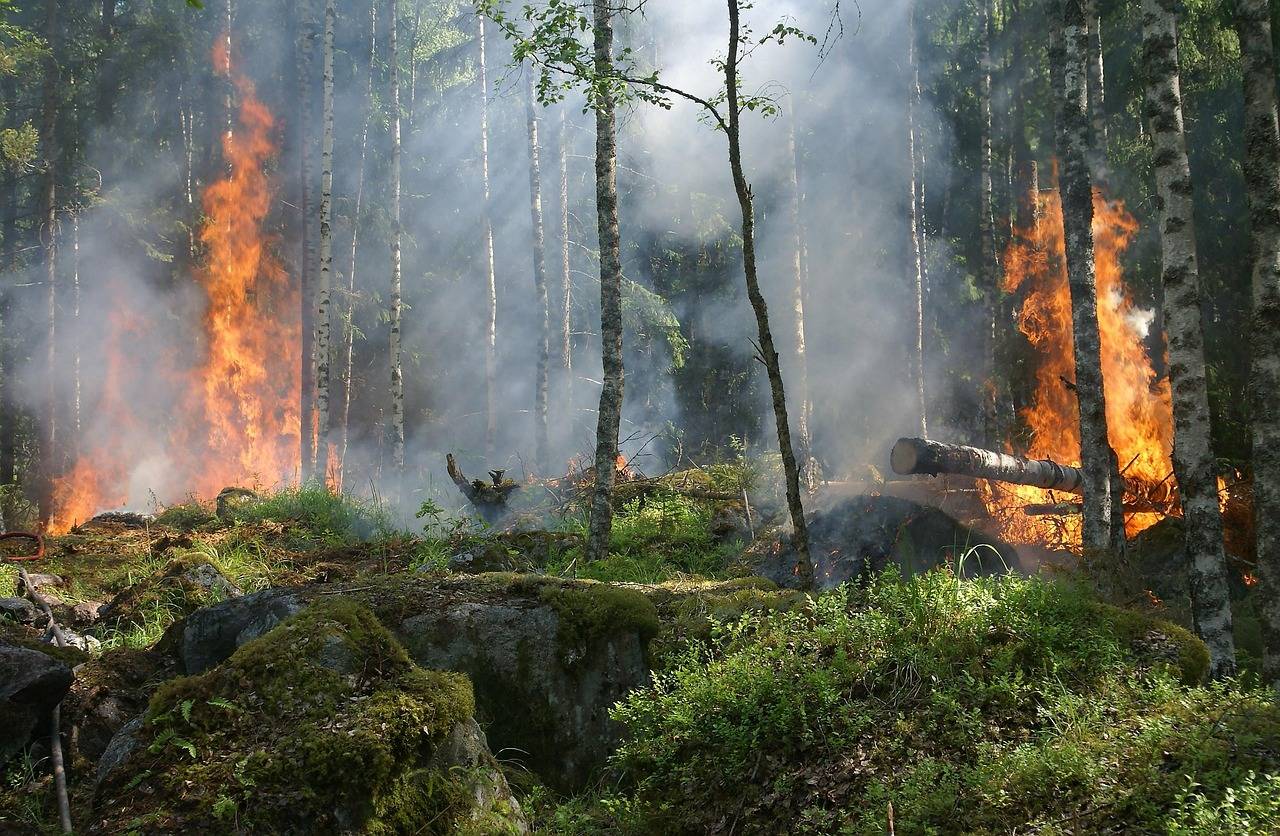
NASA draws on the US National Climate Assessments to describe what is happening across North America. Warming and long-term drought have lengthened the western wildfire season, and scientists estimate that human-caused climate change has already doubled the area of forest burned in recent decades.
Rainfall is shifting unevenly: some places face more flooding while others face drought, and hurricane rainfall and intensity are projected to increase as the climate keeps warming. Coastal regions in the Southeast face continuing threats from rising seas, and the effects cascade into farming, water supply, health and the cost of insurance and repairs.
Africa, Asia, the Americas and small islands: unequal exposure
The IPCC’s Working Group II summary finds that approximately 3.3 to 3.6 billion people live in contexts that are highly vulnerable to climate change. It reports that weather and climate extremes have exposed millions of people to acute food insecurity and reduced water security, with the largest impacts observed in many communities in Africa, Asia, Central and South America, small islands and the Arctic.
The same summary reports that human mortality from floods, droughts and storms between 2010 and 2020 was 15 times higher in highly vulnerable regions than in regions with very low vulnerability. Vulnerability is shaped by poverty, governance and inequity as much as by climate itself, which is why communities with the fewest resources often carry the heaviest burden even where they have contributed least to emissions.
Ecosystems and species on the move
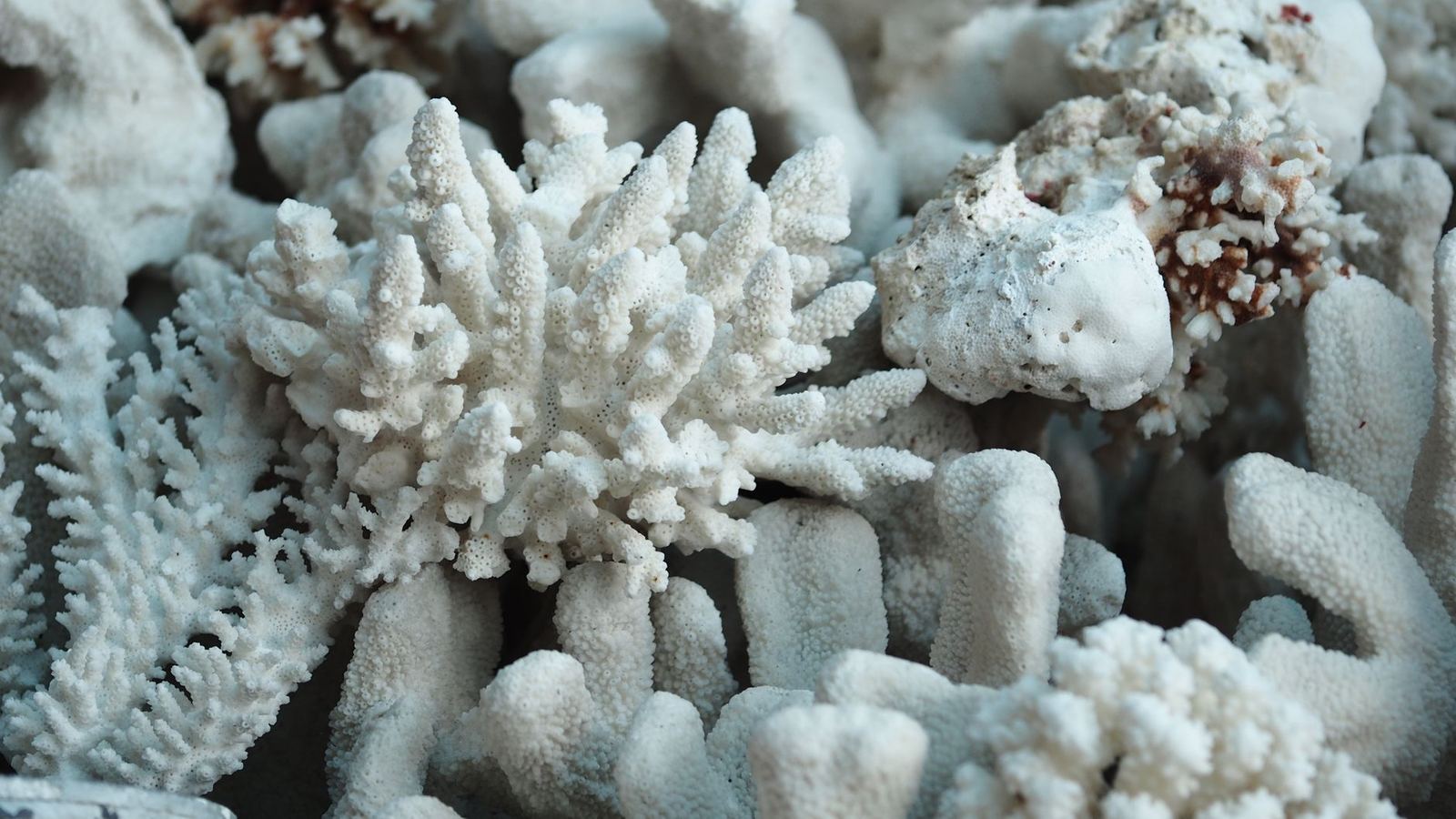
Natural systems are changing too. The IPCC reports that approximately half of the species assessed globally have shifted polewards or, on land, also to higher elevations. It also records mass mortality events on land and in the ocean, loss of kelp forests and warm-water coral bleaching.
Some losses are described as already irreversible, including the first species extinctions driven by climate change, which makes the pace of future emissions central to how much more is lost. Healthy ecosystems also matter for people, because forests, wetlands, reefs and soils supply food, clean water, flood protection and income.
What decides how severe impacts become
Impacts do not arrive evenly or all at once. Many of them interact in ways that scientists continue to study: drier soils worsen fires, warmer seas fuel stronger storms, and failed harvests raise food prices far from where the drought occurred.
NASA stresses that the severity of effects depends on the path of future human activity. More greenhouse gas emissions will lead to more climate extremes and widespread damaging effects, while reducing emissions may avoid some of the worst outcomes.
The cost side of that choice is a separate question from the physical impacts. Adaptation, such as more heat-resistant infrastructure, restored floodplains and urban green space, is the other half of the response, according to the European Environment Agency. Reducing emissions limits how large the problem becomes, and adaptation reduces the harm from the change that cannot be avoided.
Frequently asked questions
Are climate change impacts only a future problem?
No. NASA states that the effects of human-caused global warming are happening now, and that glaciers and ice sheets are shrinking, plants and animals are shifting their ranges and heat waves are becoming more intense.
Which regions are most affected?
The IPCC finds that the largest impacts on food and water security have been observed in Africa, Asia, Central and South America, small islands and the Arctic, although every inhabited region is experiencing change.
Can the impacts be reversed?
Some cannot, at least on human timescales. NASA notes that some observed changes are irreversible over the next hundreds to thousands of years, while the scale of future impacts depends on how much more greenhouse gas is emitted.
Do organisations need to take care when describing climate impacts or their own response?
Yes. A business that makes public climate claims should check the advertising and consumer rules where it operates.