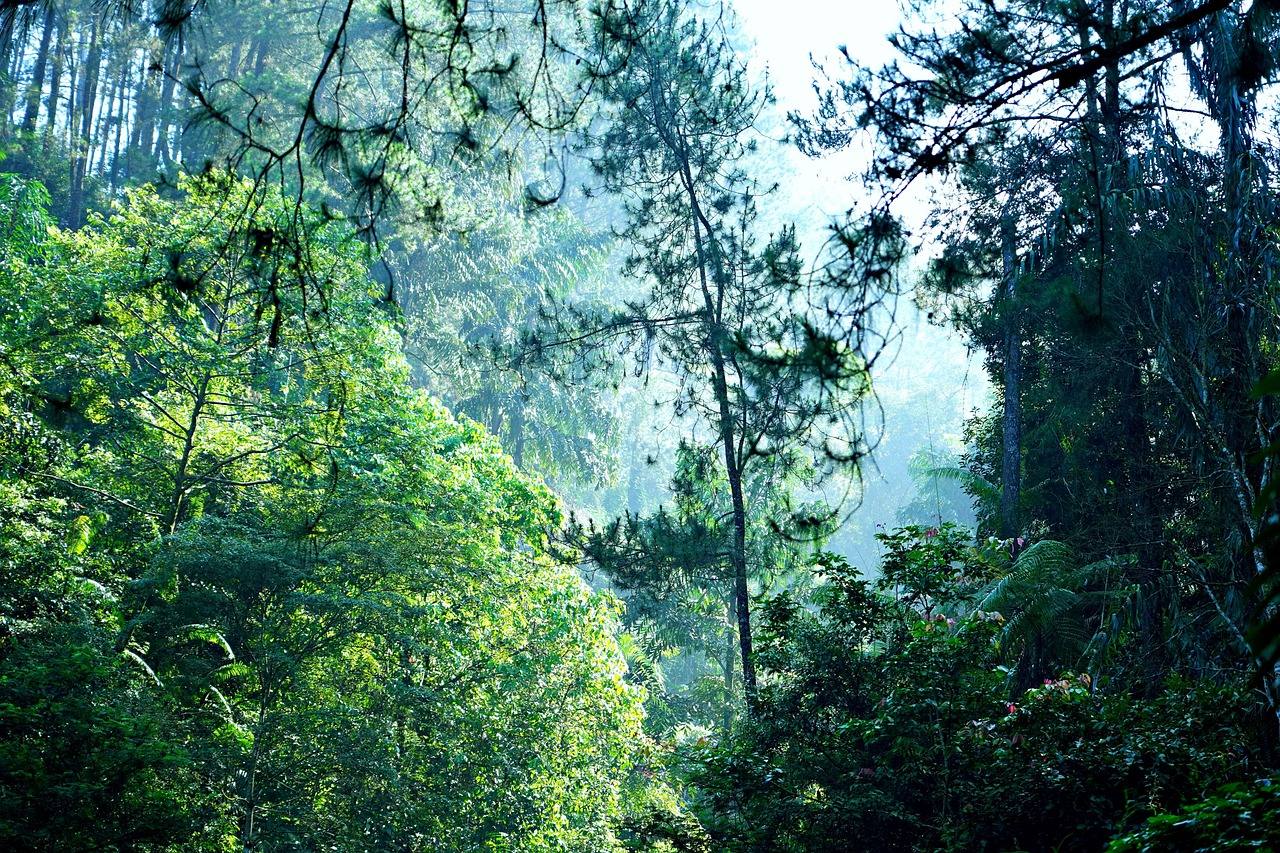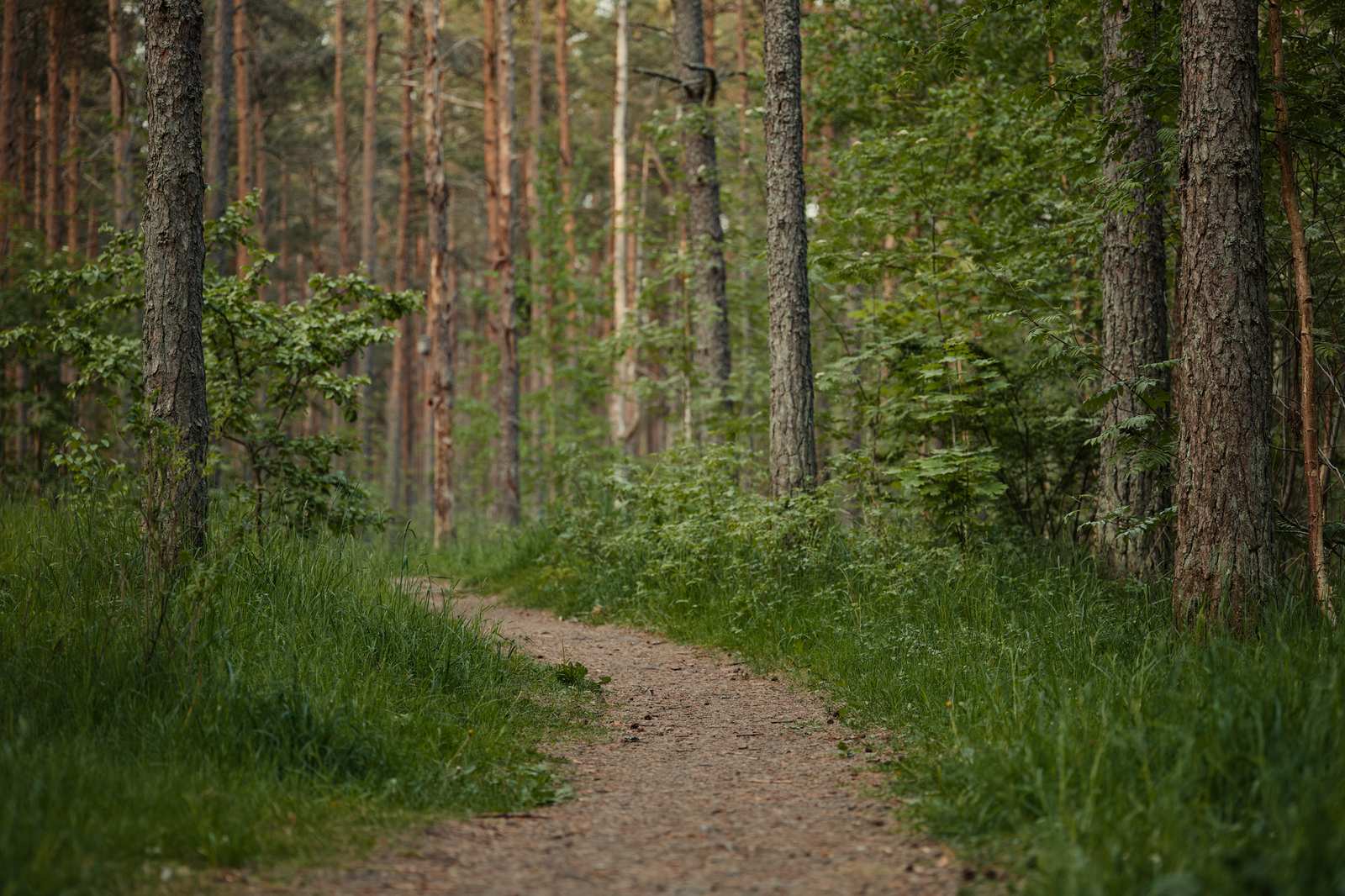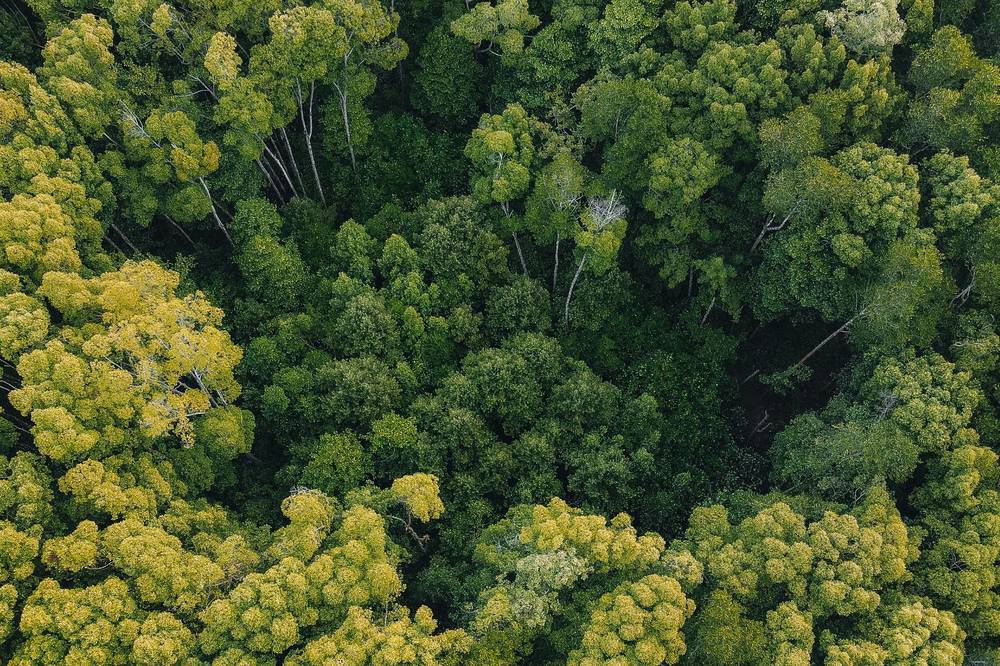
Forest carbon offsets are credits generated by protecting existing forest or by planting and restoring trees. They are among the most debated offsets because their climate benefit depends on forecasts and on how long the carbon stays stored.
This page explains how REDD+ and tree-planting credits work and where they can fall short. For the basics of the wider system, see what is carbon offsetting.
Why forests are central to offsetting
The Food and Agriculture Organization reports that forests cover 4.14 billion hectares of the planet, and that deforestation has slowed to 10.9 million hectares per year in its latest assessment. That is lower than before, but the agency still describes the current rate as too high.
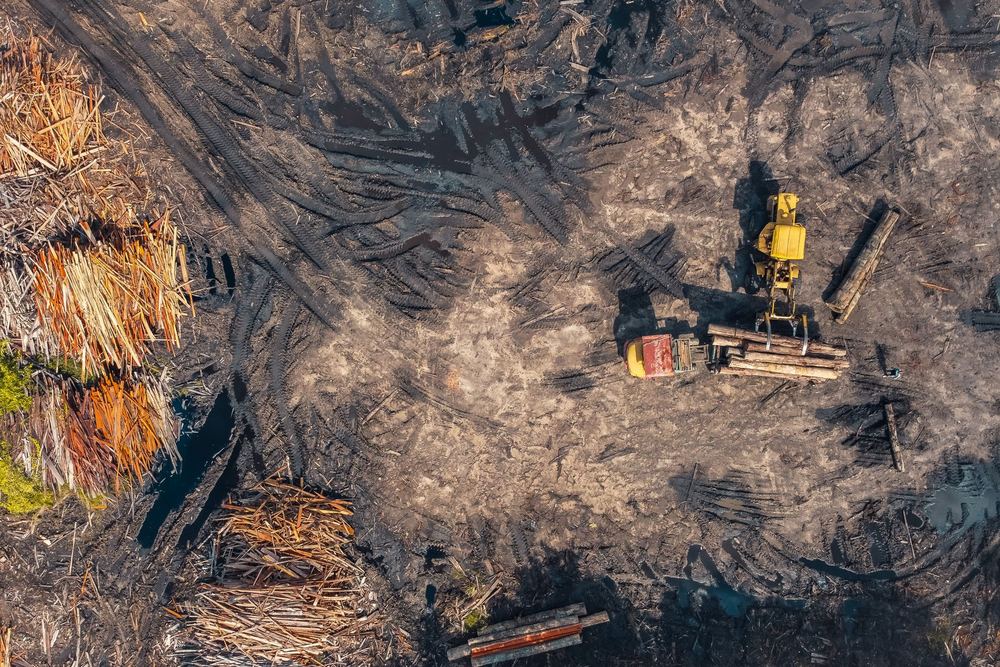
The UN-REDD Programme adds that deforestation and forest degradation contribute up to 11% of global carbon emissions. Because trees hold carbon and clearing releases it, forests are a natural target for projects that seek to earn credits by keeping carbon in place or adding to it.
REDD+ and avoided deforestation
REDD+ stands for reducing emissions from deforestation and forest degradation. The UN-REDD Programme explains that the concept goes beyond simply deforestation and forest degradation and includes the role of conservation, sustainable management of forests and enhancement of forest carbon stocks. It was developed by parties to the United Nations climate convention.
In the voluntary market, a REDD+ project typically protects a forest that is judged to be under threat and sells credits for the clearing it is said to have prevented. That makes it an avoidance activity: it stops emissions rather than removing carbon already in the air, a distinction covered in carbon removal vs avoidance.
The key difficulty is that the avoided clearing cannot be seen. Credits are issued against a forecast of what would have happened without the project, so the size of the forecast drives the size of the credit.
What the evidence says about REDD+ results
Studies reach different conclusions, which is itself informative. Researchers writing in Science evaluated REDD+ projects with synthetic control methods, and an AAAS news release summarises the finding that most projects did not substantially reduce deforestation, and that the few that did reduced it much less than had been claimed.
A separate evaluation in Conservation Biology used pixel matching on a different sample. It reported that deforestation within project areas was reduced by 47% compared with matched counterfactual pixels, while also describing the reductions as small in absolute terms.
A wider synthesis in Nature Communications looked at several project types and estimated that 25% of credits for avoided deforestation constitute real emission reductions. Taken together, the studies suggest that results depend heavily on the project, the place and the method of measuring, and that the baseline is the weak point.
Reforestation, afforestation and restoration
Planting-based credits work the other way round: they claim carbon removed as new trees grow. Reforestation restores trees on land that was recently forested, while afforestation plants on land that had none for a long time. Both are removal activities, so the carbon is counted as it accumulates rather than as clearing is avoided.
The Intergovernmental Panel on Climate Change notes that practices such as afforestation and reforestation can bring a range of co-benefits if implemented well, but they can also have adverse side effects such as biodiversity loss or food price increases. The Food and Agriculture Organization adds that planted forests account for about 8 percent of total forest area, so most forest is naturally regenerating rather than planted.
Growth takes time. Young trees store little carbon at first, while a credit may be issued on expected future growth. Where the species, the site and the survival rate are poorly matched, the promised removal may not arrive.
Permanence and reversal risk
Forest carbon can be lost. Verra, which runs a leading standard, lists logging, mining, fires, or drought among the factors that could release stored carbon back into the atmosphere, and it requires land-based projects to hold back a share of credits in a shared buffer pool to cover such reversals.
The Intergovernmental Panel on Climate Change makes the same point more broadly, stating that removal and storage of CO2 through vegetation and soil management can be reversed by human or natural disturbances. A buffer is a form of insurance, not a guarantee, and a large loss can exceed what a pool was designed to absorb.
Social factors matter for permanence as well. Local communities and Indigenous peoples often live on or near the land in question, so the way a project handles land rights, consultation and benefit sharing can decide whether it lasts. A project that restricts access to a forest without agreement can create conflict, and conflict itself becomes a reversal risk. Credible projects therefore document how nearby residents were consulted and how any benefits are shared, which is one more item to look for in a project’s public documents.
Additionality and leakage in forest projects
Forest credits depend on the idea that the protection or planting would not have happened without credit revenue. That test is explained in carbon offset additionality, and it matters most where the baseline is a forecast of clearing that never took place.
Leakage is the second forest-specific concern. Verra explains that in land-based projects, changes in land management in one place may shift the problem to another location, and that planting projects in particular are more likely to cause activity-shifting leakage, where landowners move subsistence farming elsewhere.
Questions to ask about a forest claim
Forest offsets are not all alike, and the label alone says little. Protection credits, planting credits and credits from improved management of working forests each rest on different assumptions, and each can be assessed only by looking at how the numbers were produced. Treat any single headline figure, in either direction, with care, because the studies above show how far results vary by sample and method.
Useful questions include how the baseline was set, who verifies it, what happens if the forest burns, how nearby land use is monitored, and what share of the stated benefit is removal rather than avoidance. These are questions about methods and do not rate or recommend any particular project.
A business that mentions forest offsets in public climate claims should also check the advertising and consumer rules where it operates, since the wording of a claim can create its own obligations.
Frequently asked questions
What does REDD+ stand for?
It stands for reducing emissions from deforestation and forest degradation, with the plus covering conservation, sustainable management and enhancement of forest carbon stocks.
Is planting trees the same as protecting a forest?
No. Planting claims new carbon removed as trees grow, while protecting a forest claims clearing that was avoided. They face different risks, with baselines central to protection and survival and growth central to planting.
Can forest carbon be lost after a credit is issued?
Yes. Fires, drought, logging and similar events can release stored carbon, which is why standards require buffers and monitoring for land-based projects.
Are all forest offsets low quality?
Studies disagree. Some find small or no reductions on average, while others find real reductions in their samples. Quality depends on the project, the baseline and the verification.